Hate Crunches? Try These.
Core training can look like more than repeated sit-ups.
Jump to the workouts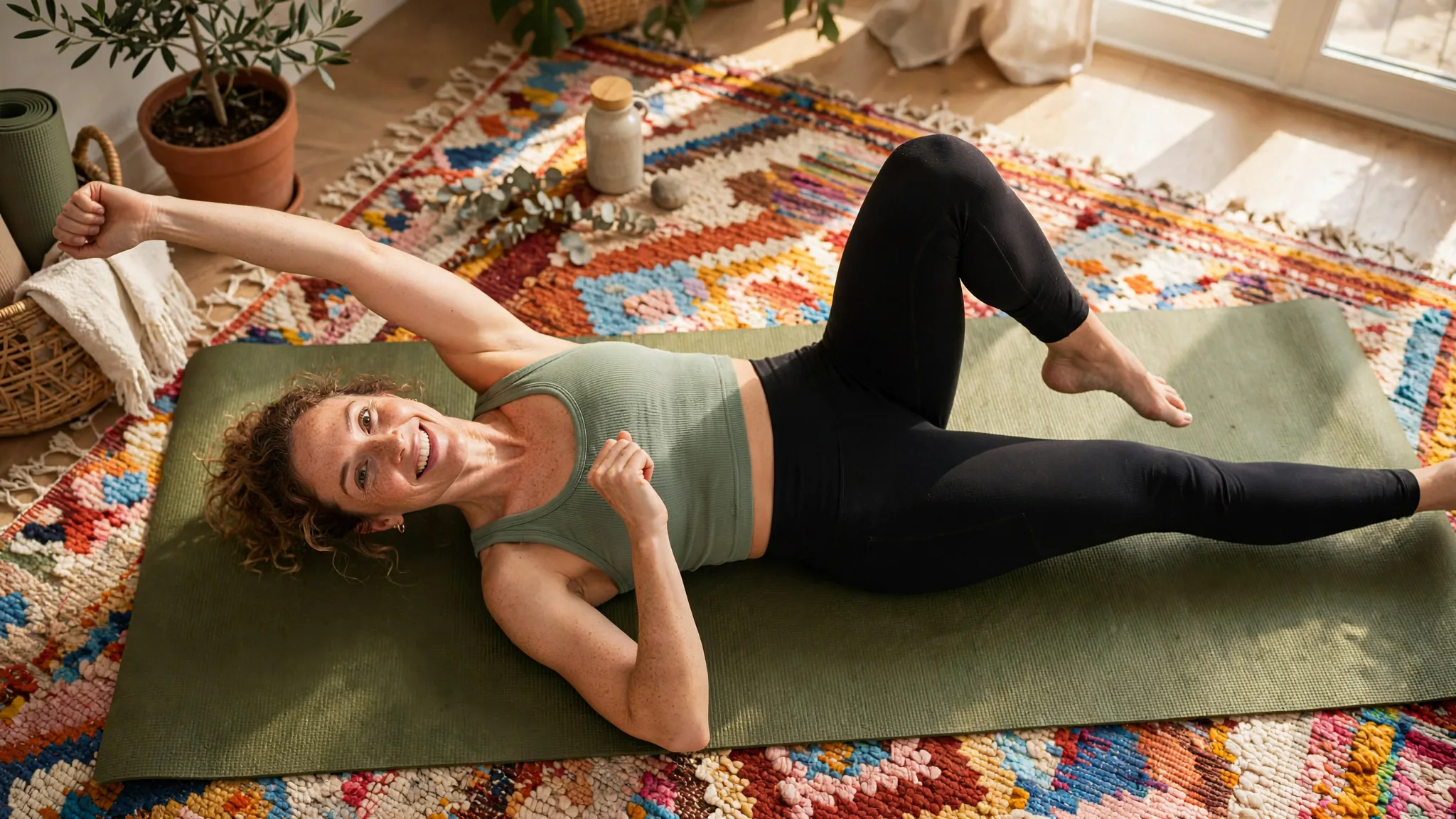
If crunches hurt your neck, bore you, or just feel wrong, you are not stuck. Your midsection still gets plenty of useful training from positions that teach control, not endless spinal bending for everyday strength.
This guide breaks down two beginner-friendly alternatives — the dead bug hold and short planks — plus how to breathe and brace without straining. No spot-reduction tricks and no six-pack promises, just steadier support for lifting, walking, and playing.
Start here.
- Your core mainly stabilizes you while limbs move, not just bends forward.
- Dead bug holds teach anti-extension by keeping ribs down and back calm.
- Short, well-breathed planks beat long, shaky holds for most beginners.
Why Crunches Aren't Required
Crunches mainly bend the trunk forward, which is only one job for your core. Resisting movement — keeping ribs and pelvis steady while arms or legs move — often carries over better to carrying groceries, catching yourself on stairs, or getting up off the floor.
What Anti-Extension Really Means
Anti-extension simply means your low back does not over-arch while you move. In a dead bug hold, you lie on your back, press your lower ribs gently down, and hold arms and legs still. If your back wants to lift off the floor, shorten the lever by bending knees more.
- Ribs heavy and belt-line long — avoid flaring ribs toward the ceiling.
- Exhale softly to settle position, then keep breathing quietly behind light tension.
- Reset if your neck, shoulders, or back complain; fatigue with good shape is enough.
Breathing and Bracing Without Straining
Think of bracing as turning the volume up to 3 out of 10, not 10 out of 10. Tighten the belly lightly like someone might tap your side, keep glutes softly on, and keep your face and shoulders relaxed. You should still be able to talk and breathe.
Avoid long breath holds or bearing down hard. Try a slow nose inhale, then a longer mouth exhale as you settle into position. If you feel dizzy, lightheaded, or pressure in your head, ease off, breathe normally, and take a break.
Planks That Respect Your Limits
Planks can be useful, but longer is not automatically better. A shorter hold with steady hips, quiet shoulders, and easy breathing beats a shaky two-minute sag. Beginners can start on knees or with hands elevated, and skip dynamic side-reach versions until basic planks feel calm and controlled.
- Line ears, shoulders, hips, and knees or heels without sagging or piking.
- Push floor away slightly, tuck pelvis a touch, and squeeze glutes lightly.
- Stop the set when hips shift, breathing gets ragged, or form slips.
How to Practice This Week
For a gentle entry point, follow First Full-Body Session in the app for about 13 minutes. It pairs bodyweight squats, knee push-ups, and glute bridges with Dead Bug Hold intervals, so your core learns to stabilize while other muscles work.
For a core session that fits your routine, SweatBud (free iPhone app) can shape workouts around your time and equipment.
When you want more focused core time, follow Dead Bug & Plank Practice for about 12 minutes. It features Dead Bug Hold, Plank, and Plank Side Arm Reach Dynamic. Follow the app’s timers and instructions exactly, and treat the side-reach plank as harder — shorten range or rest sooner.
- Practice two to three non-consecutive days, leaving rest days between efforts.
- Keep sessions short and stop with one or two good reps still in reserve.
Find your next move.
Open a guide for the exercise order, instructions, sets, and rest periods. The listed times are estimates; take the rest you need.
Loading workout details…
A few good questions.
Will dead bugs and planks burn belly fat?
No exercise targets fat in one spot. These moves build coordination and endurance around your trunk, but visible change depends on overall activity, eating, sleep, and genetics. Think support and steadiness, not spot reduction.
What if my back hurts during planks or dead bugs?
Mild muscle effort is common, but sharp, shooting, or lasting pain is a stop sign. Rest, try an easier variation another day, and talk with a qualified health professional if pain persists, spreads into a leg, or includes numbness or bladder changes.
Further reading
Please consult a qualified healthcare or fitness professional before starting or changing an exercise routine, especially if you have an injury, health condition, balance concerns, or are pregnant or returning after childbirth. This article provides general education, not individualized medical advice. Choose age-appropriate activity and stop if an exercise causes pain, dizziness, or unusual symptoms.