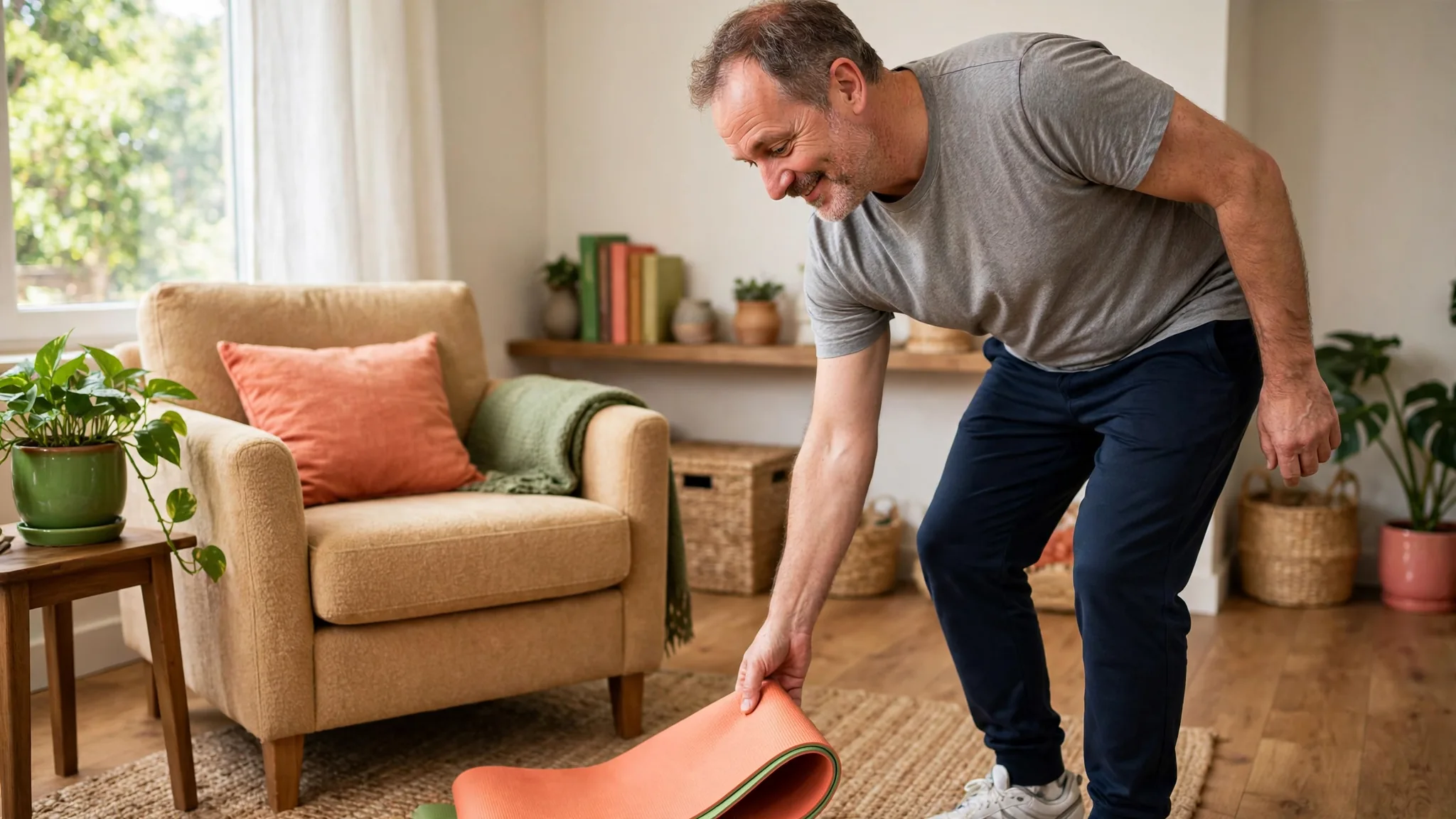
Fit for What, Exactly?
A better fitness goal starts with the life you want movement to support.
Jump to the workouts
Most fitness advice starts with how you want to look, which leaves a lot of people cold. Strength to carry groceries, energy for long workdays, steadier balance on stairs, calmer evenings — those reasons count just as much.
This guide helps you name your own version of fit, then turn it into small, measurable actions. No overhaul required, no single ideal body, just a clearer link between what you value and how you move each week.
Start here.
- Fitness can support energy, strength for daily tasks, mood, sleep routines, and confidence — not just appearance.
- A clear personal why makes it easier to choose process goals you can actually track week to week.
- Short beginner-friendly sessions done consistently can support an active lifestyle at many ages.
Looks Are Only One Small Slice
If aesthetic goals never motivated you, you are not broken or lazy. Many adults stick with movement because it helps them hike without huffing, play on the floor with grandkids, focus at work, or feel less stiff in the morning. Naming those payoffs makes motivation less fragile when schedules get messy.
Try this quick reflection: what would being fit let you do more easily next month? Write one or two answers in plain language. Keep them functional and personal, like climb two flights comfortably, garden for an hour, or wind down without restlessness.
Choose a Why That Holds on Busy Days
Values are different from outcomes. An outcome is lose ten pounds. A value is being a present parent, a reliable friend, an independent traveler, or someone who cares for their joints. Values guide choices even when progress is slow, weather is bad, or life interrupts your routine.
- Energy for daily life: steady stamina for work, errands, and evening plans
- Useful strength: lifting, carrying, pushing, getting up and down with ease
- Steady movement: balance, coordination, and confidence on stairs or trails
- Stress reset: a screen break, fresh focus, or calmer bedtime routine
- Connection and joy: walks, classes, or active time with others
Turn Values Into Process Goals You Can Track
Vague aims like get healthier rarely survive a busy Tuesday. Process goals describe what you will do, where, and how often. They are fully in your control, easy to check off, and kinder than chasing a number on the scale every morning.
Pick one movement goal and one support habit for the next few weeks. Examples include move three weekdays before lunch, do a short mobility cooldown twice weekly, or keep phones out of the bedroom on weeknights. Track with checkmarks, not judgment.
Match the Workout to the Mission
Once your why is clear, choose sessions that practice those exact patterns. If your mission is total-body ease for chores and travel, First Full-Body Session covers squats, knee push-ups, glute bridges, and core holds in about 13 minutes with bodyweight only. Follow the app’s instructions for timing and form rather than making up your own sets.
For a strength session that fits your space and available equipment, SweatBud (free iPhone app) can help shape a flexible workout plan.
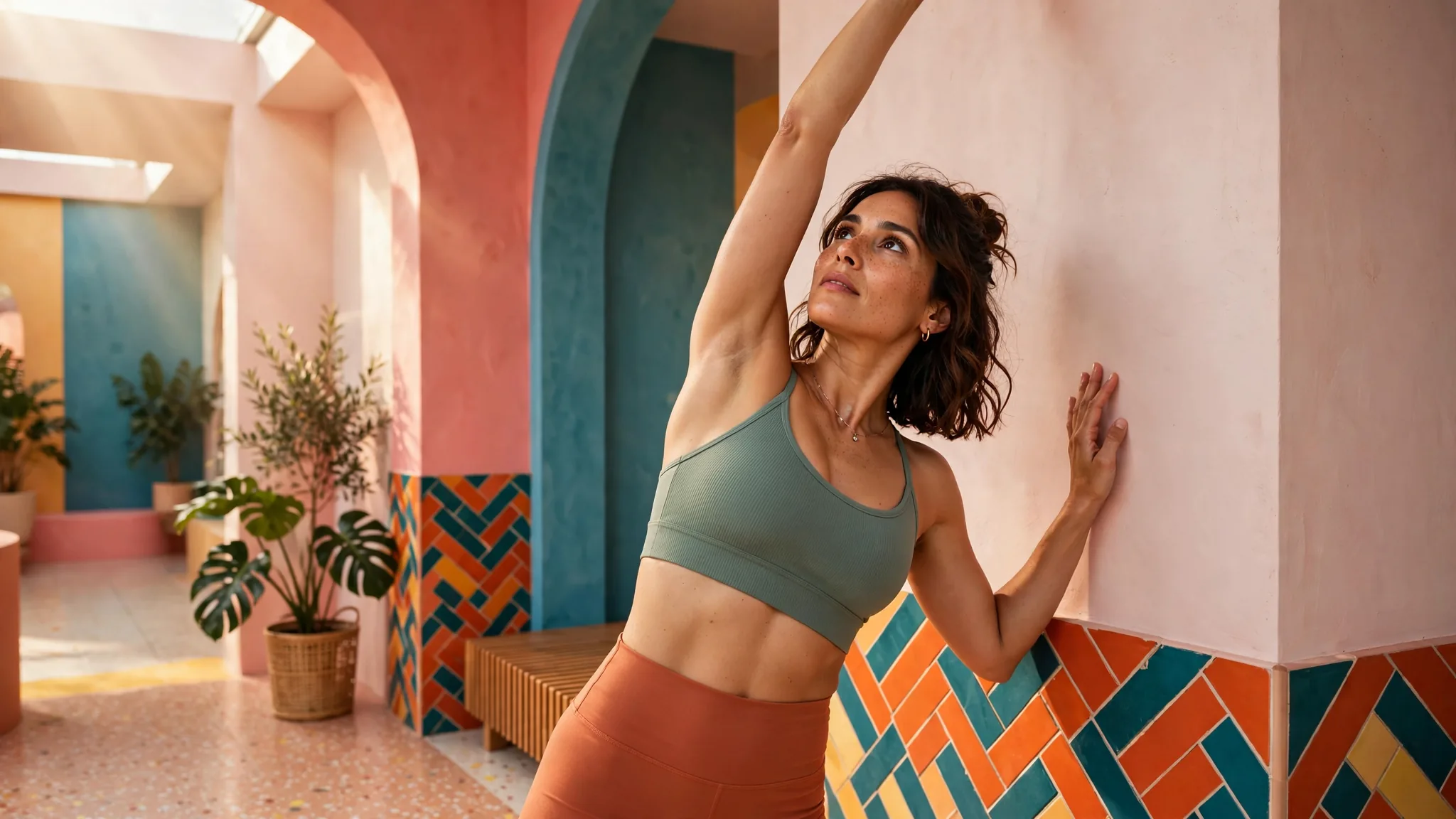
If stairs, standing tolerance, or confident walking matter most, Upright Leg Foundations focuses on squats, hip hinges, and calf raises with wall or chair support in about 12 minutes. That upright practice can feel especially relevant for adults who want steadier legs for daily routines.
Review, Refresh, and Keep It Kind
Fitness needs shift across decades, seasons, and caregiving schedules. Pause weekly and ask: did my plan fit my life, did I feel capable during sessions, and what got in the way? If a goal constantly fails, the goal is too big or mistimed, not proof you lack discipline.
Keep intensity conversational as you rebuild consistency, rest when ill or injured, and seek professional guidance for chest pain, dizziness, unexplained swelling, or pain that worsens. This general adult guide is not advice for children, who have different activity needs and supervision considerations. Adjust, repeat what worked, and let your why evolve.
Find your next move.
Open a guide for the exercise order, instructions, sets, and rest periods. The listed times are estimates; take the rest you need.
Loading workout details…
A few good questions.
How many goals should I track at once?
Start with one or two process goals, such as sessions per week and bedtime consistency. Fewer targets make patterns easier to see. You can add variety or challenge once the basics feel steady and repeatable.
What if my why changes with age or circumstances?
That is normal. A new job, joint stiffness, parenthood, or retirement can shift priorities. Revisit your reflection every few months, keep what still fits, and choose sessions that support your current daily life.
Further reading
Please consult a qualified healthcare or fitness professional before starting or changing an exercise routine, especially if you have an injury, health condition, balance concerns, or are pregnant or returning after childbirth. This article provides general education, not individualized medical advice. Choose age-appropriate activity and stop if an exercise causes pain, dizziness, or unusual symptoms.