Can You Build Muscle Without Weights?
What bodyweight training can build, where it has limits, and how to progress thoughtfully.
Jump to the workouts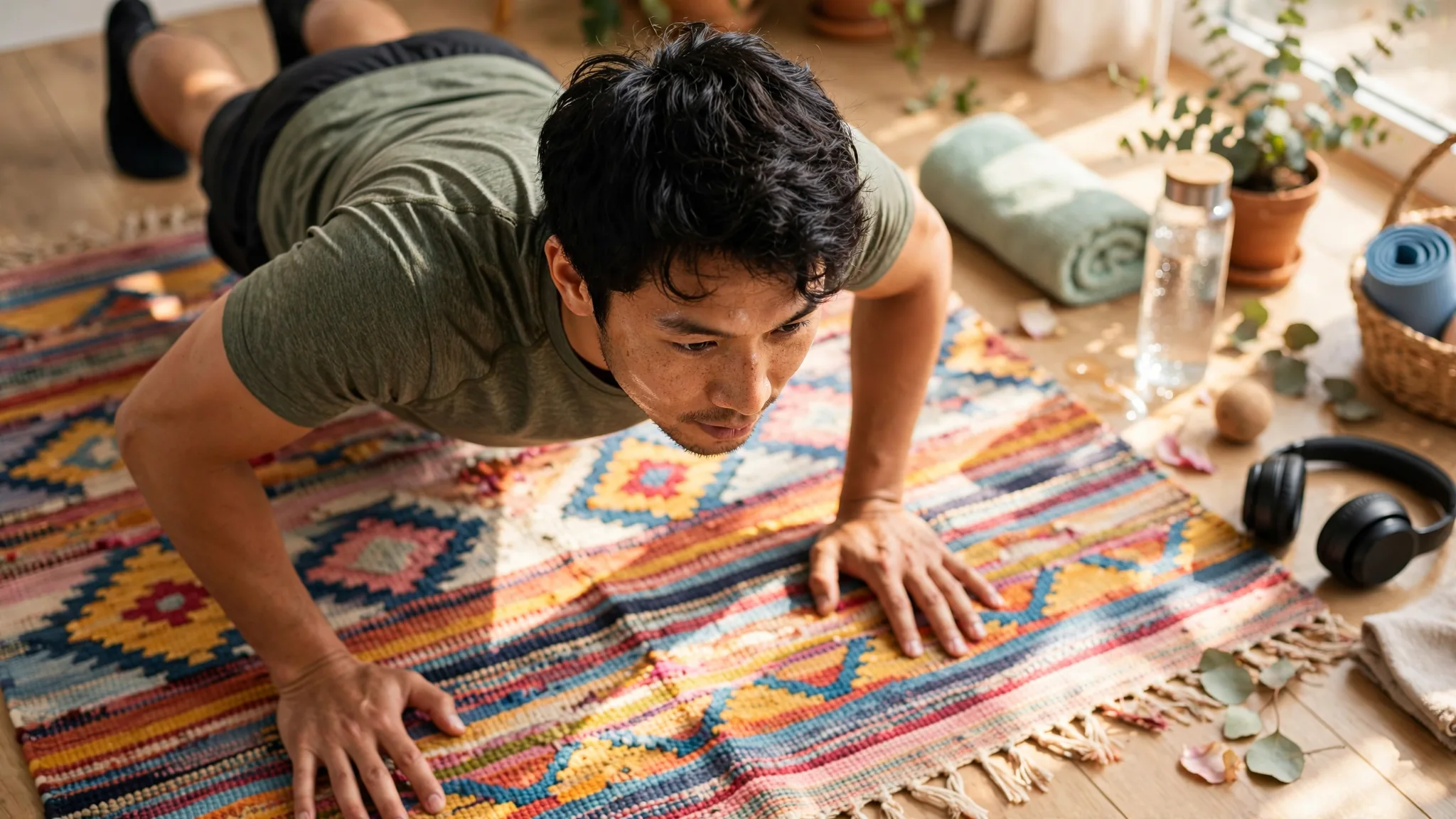
Yes, you can build muscle without weights, especially if you're new to training, returning after a break, or pushing bodyweight moves with real effort. Your muscles respond to tension, fatigue, and steady progression, not just barbells. That means squats, push-ups, planks, and glute work can all count as useful stimulus.
There are limits, though. Legs and glutes adapt quickly, pushing strength gets easier to scale, and pulling muscles are hard to challenge with no equipment. This guide breaks down what bodyweight training does well, where it falls short, and how to structure effort, form, and consistency for visible progress.
Start here.
- Muscles grow from challenging sets, good form, and gradual progression, which bodyweight training can provide.
- Legs, glutes, chest, and core are easiest to train without weights; back pulling strength is the main gap.
- When progress stalls, adjust leverage, tempo, and volume first, then consider adding external load.
The Short Answer: Yes, With Conditions
Muscle growth generally comes from challenging sets taken close to fatigue, good technique, and doing a little more over time. Bodyweight exercises can check those boxes when the variation matches your strength level and the last few reps feel slow and demanding while form stays clean and controlled throughout.
Beginners often see the clearest changes because almost any consistent resistance is new. More experienced exercisers can still maintain muscle and build strength-endurance, but they may need harder progressions, slower tempos, pauses, and extra weekly volume to keep the stimulus high enough for continued adaptation.
How Bodyweight Training Creates Growth
Think of each set as a message to your muscles: this was hard, be ready next time. That signal gets stronger when you use a full range of motion, control the lowering phase, pause without bouncing, and stop with one to three solid reps left in reserve rather than quitting early.
- Pick a variation you can do cleanly for 8-20 challenging reps
- Slow the lowering phase to 3-4 seconds
- Add a 1-2 second pause at the hardest point
- Progress with leverage, range, or an extra round
What Works Best Without Weights
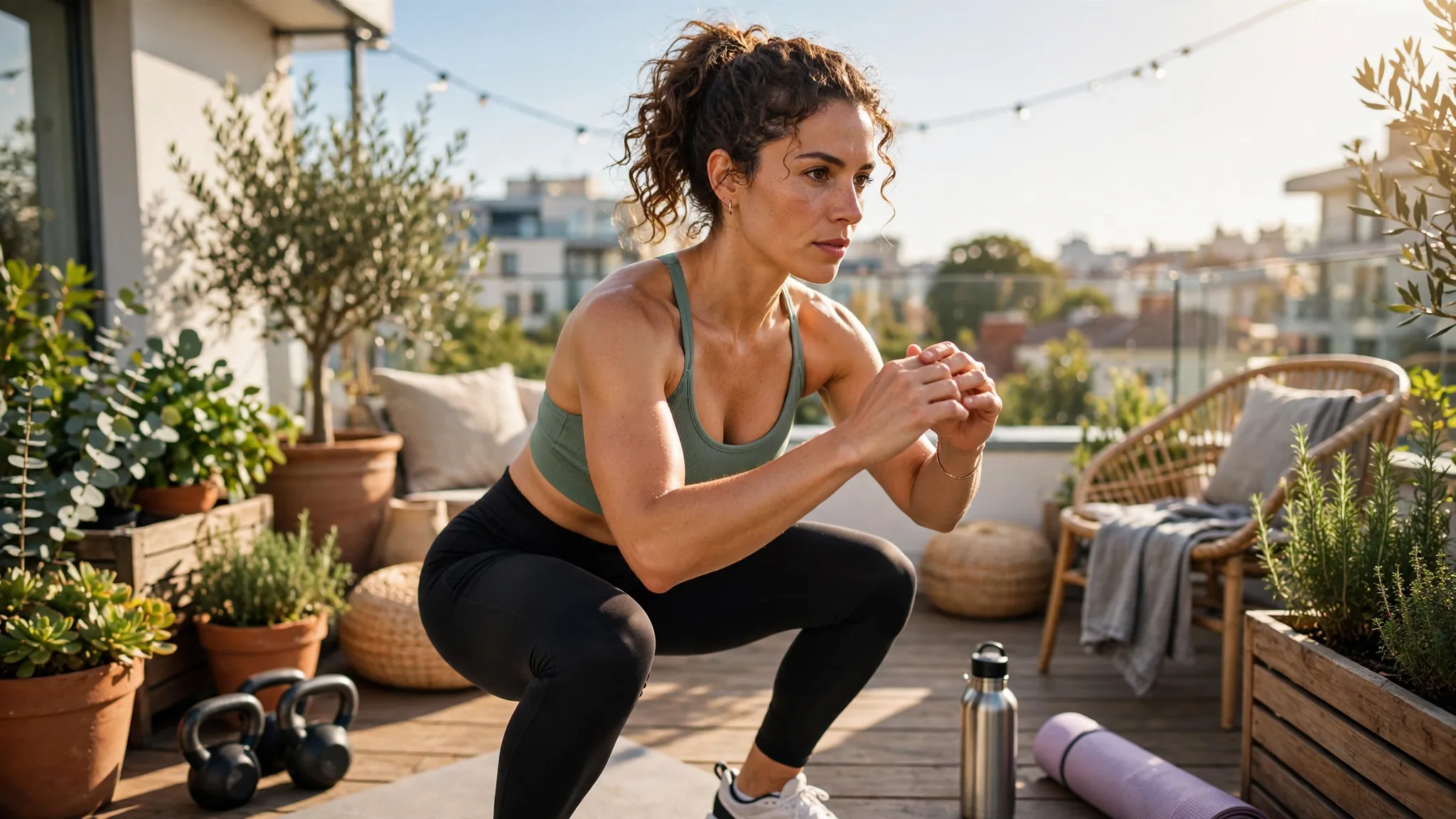
Lower-body and core muscles respond especially well to bodyweight work. Squats, lunges, donkey kicks, glute bridges, planks, and incline push-ups can train large muscle groups with minimal gear. A guided option like Steady Strength Circuit organizes these patterns into timed intervals so you can focus on form and steady effort.
For a strength plan that can grow with your experience, SweatBud (free iPhone app) can adjust workouts to your goals, time, and equipment.
Follow the app's instructions for timing, rest, and form cues rather than inventing your own sets and reps. If the final seconds feel challenging but manageable, you are likely in the right zone. If you could chat easily through the whole round, choose a harder angle or slow the tempo.
The Pulling Problem to Plan Around
Pushing and squatting are easy to load with body weight, but pulling muscles in the back and biceps get less attention. Rows, pull-ups, and climbing motions usually need a sturdy bar, rings, bands, or other support, and most living rooms do not offer a safe option for true progressive pulling work.
You can partly bridge the gap with reverse snow angels, prone lifts, and long plank holds for posture and upper-back endurance, but they rarely replace harder rowing. If balanced development matters to you, plan for access to a park bar, gym, bands, or other equipment for one or two pulling sessions per week.
How to Make Light Loads Feel Heavy
Effort closes much of the gap when weights are limited. Warm up briefly, then work through controlled rounds with short rests. Slow the lowering phase, pause at the hardest point, avoid locking out to rest, and keep breathing steady. The last reps should look almost the same as the first, just slower.
Upper-body push sessions show this well. An incline push-up plus plank pairing, such as Incline Press & Plank, lets you adjust leverage by changing surface height while building chest, shoulder, triceps, and core endurance. Follow the app's timers and rest periods, then progress by lowering the incline or adding control.
- Use a stable chair, counter, or wall for incline push-ups
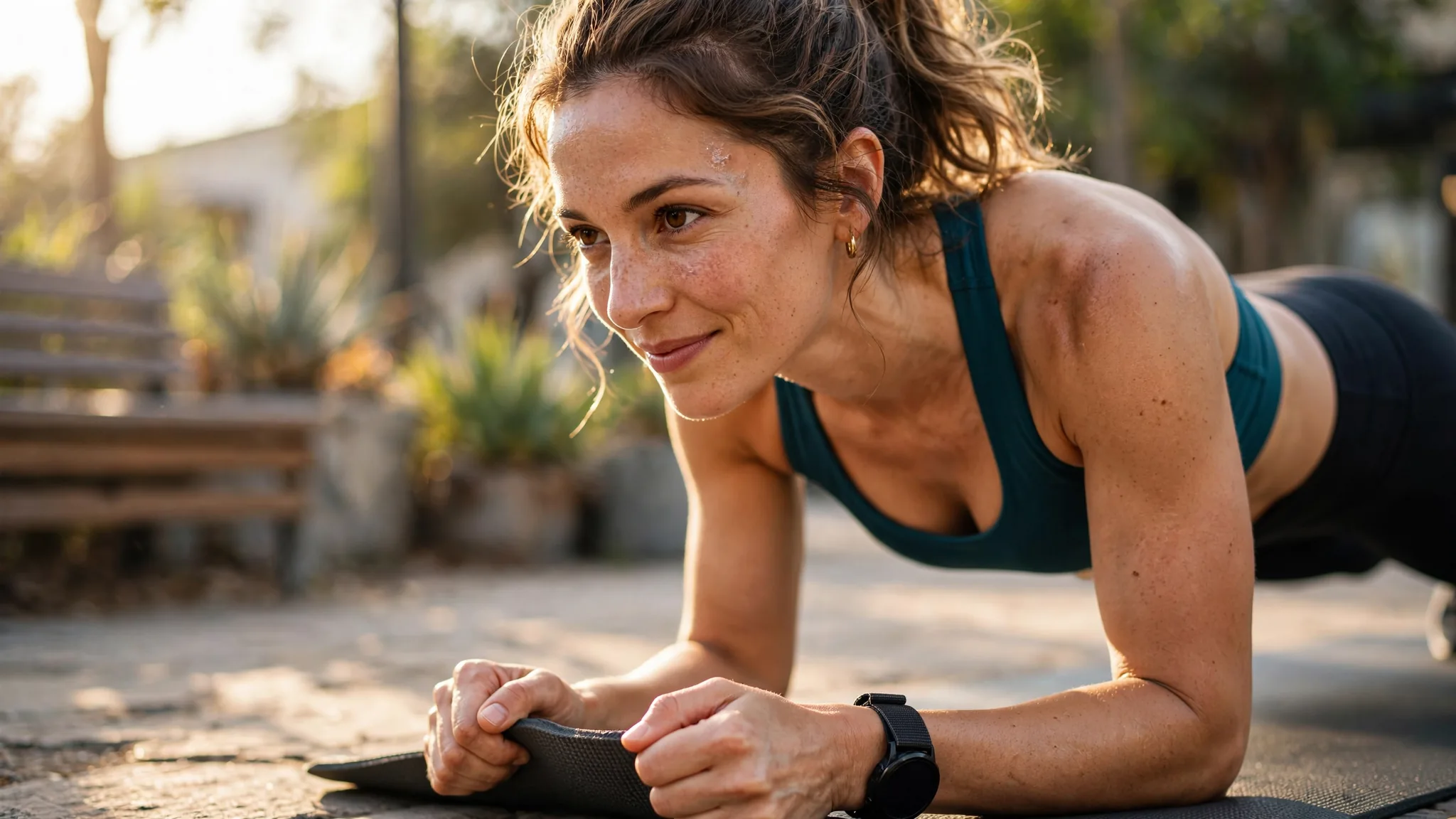
- Keep ribs down and trunk firm during planks
- Stop a set when form slips, not when momentum takes over
Fuel, Recovery, and When to Add Load
Muscles need protein, enough total energy, sleep, and rest days to adapt, but nutrition does not require a strict plan. Aim for regular balanced meals with protein-rich foods, stay hydrated, and spread training across the week so sore muscles recover before you challenge them hard again with quality effort.
If progress stalls for several weeks despite consistent effort, sleep, and good form, added load may help. That could mean a backpack, resistance bands, dumbbells, or gym access for squats, hinges, rows, and presses. Think of bodyweight as a strong foundation, not a ceiling, and add tools when your goals outgrow the living room.
Find your next move.
Open a guide for the exercise order, instructions, sets, and rest periods. The listed times are estimates; take the rest you need.
Loading workout details…
A few good questions.
How often should I do bodyweight strength training?
Many adults aim for two to four full-body sessions per week with rest or lighter activity between hard days. Consistency matters more than marathon workouts, so choose a schedule you can repeat and leave sore muscles time to recover.
When should I add weights or bands?
Consider added resistance when you can do high reps with clean form and no longer feel challenged near the end of sets. A health or fitness professional can help you progress safely, especially with joint pain, injury history, or medical concerns.
Further reading
Please consult a qualified healthcare or fitness professional before starting or changing an exercise routine, especially if you have an injury, health condition, balance concerns, or are pregnant or returning after childbirth. This article provides general education, not individualized medical advice. Choose age-appropriate activity and stop if an exercise causes pain, dizziness, or unusual symptoms.